Hawkward: Bird Grounded for Exceeding Carry-On Limit
A hawk found stranded in a Virginia driveway did not appear to be injured. Rescuers discovered it was simply “too darn fat to fly.” Even nature has baggage limits.
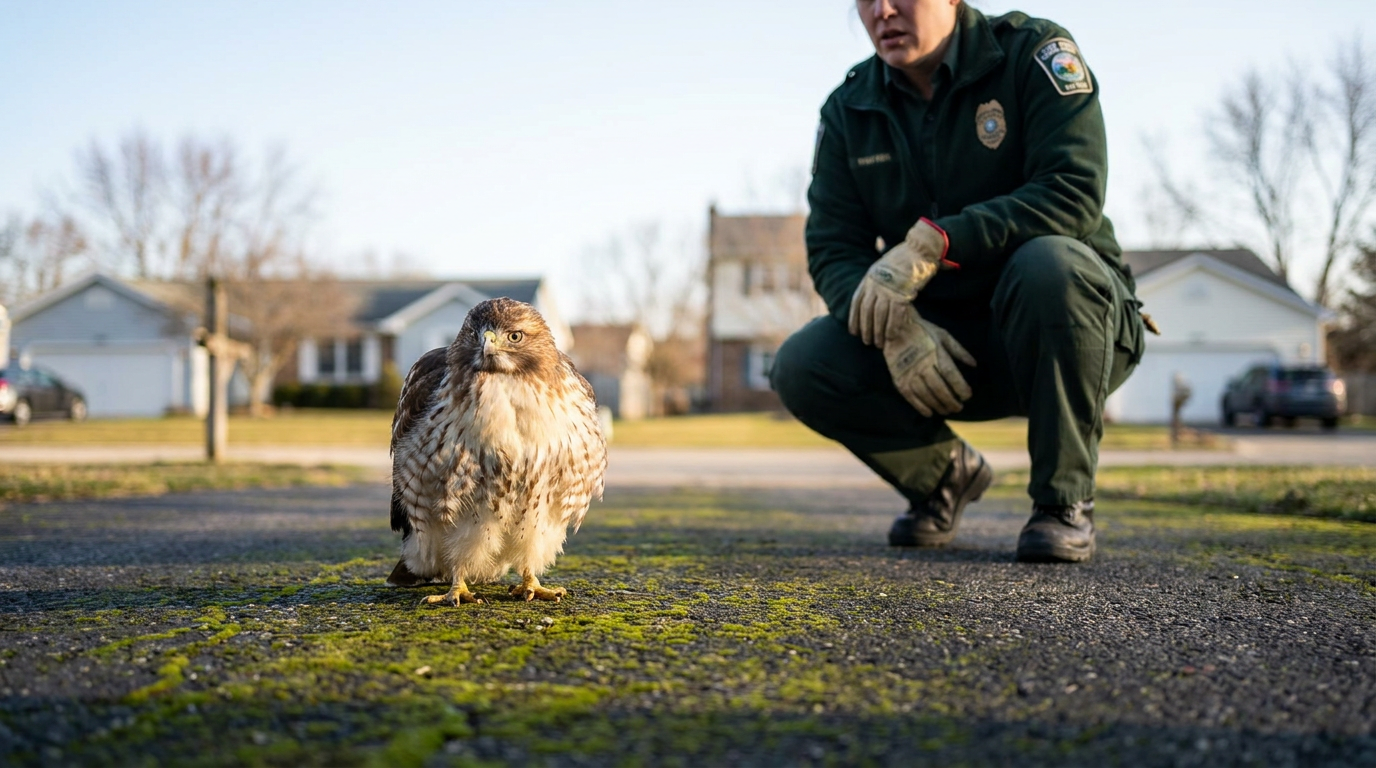
A red-shouldered hawk found stranded in a Virginia driveway had no broken bones, no poisoning and no other obvious reason to be grounded. She was, rescuers concluded, simply “too darn fat to fly.” Even the skies, it seems, have a carry-on limit.
The adult bird, identified with the rather less regal name RSHA 26-2599, was discovered in a resident’s driveway in Roanoke, about a mile from the Southwest Virginia Wildlife Center. The centre shared the unusual diagnosis on social media on Nov. 2.
At first, the hawk’s inability to take off suggested something was seriously wrong. Rescuers checked her for broken bones, lead toxicity, eye problems, head trauma, emaciation and bruising. She showed no sign of any of them.
Veterinarians at the centre’s wildlife hospital then conducted a fuller examination, hoping to get to the bottom of the mystery. The bottom, as it turned out, was part of the problem.
“We couldn't even palpate her keel due to the heavy layer of fat covering it,” the centre said. The keel is the prominent breastbone to which a bird’s flight muscles are attached, and this one was buried beneath rather more insulation than nature’s aircraft manual recommends.
The hawk weighed 2 pounds, nearly a full pound heavier than the normal weight for a female of her species. She had not so much exceeded her ideal weight as brought almost another hawk along for the journey.
The explanation emerged after the woman who found the bird questioned her neighbours. She learned that another resident’s free-roaming chickens had been disappearing “at an alarming rate over the last few weeks.”
The grounded predator had apparently discovered an exceptionally convenient dining arrangement and made repeated use of it.
“This queen was picking off the buffet of easy prey set out before her, eating her fill, and then snoozing in the trees nearby until she was ready to eat again,” wildlife centre officials wrote.
It was an efficient routine right up until the frequent flyer became too frequent an eater and could no longer manage the flying part. With no injury to treat, the hospital has placed her on a weight-loss diet.
The centre also urged residents to keep chicken runs covered, warning that leaving poultry exposed can amount to “indirectly” feeding wildlife. For the hawk, the all-you-can-eat arrangement is now closed, and the next step is to shed enough excess baggage to return to the air.
Original story
upi.com